


I approached GoFundMe as a practical finance app rather than simply a place to post a request for money. Its real purpose is broader: people can organize fundraisers, others can contribute, and users can look for ways to help. That makes it relevant for emergencies, community needs, personal projects, and charitable causes, but it also means the experience depends heavily on trust, clarity, and how well a campaign communicates its purpose.
The app is developed by GoFundMe Inc and is free to install. It is rated for Everyone, which fits its straightforward presentation and wide audience. On Android, the current version is 12.19.2 and requires Android 8.0 or later. The service has been available since October 29, 2013, and its reach is substantial, with over five million installs. Its average score is 4.6 from around eighty-two thousand ratings, alongside roughly sixteen thousand written reviews. Those figures suggest that many people find it useful, although a high store score cannot guarantee that every fundraiser or donation experience will feel equally smooth.
How the cost affects the value
The clearest financial advantage is that the app itself is free. I can install it without paying an upfront purchase fee, and that matters when someone is already trying to raise money for a difficult situation. There is no need to commit to a subscription just to explore the service or decide whether it suits a campaign.
Still, “free” should be understood carefully. The app gives access to a fundraising and giving platform, but that does not mean every part of moving money is costless. A person considering a campaign should read the payment and withdrawal details shown during the live setup process, rather than assuming that the full amount contributed will always reach the intended recipient. The exact outcome can depend on the transaction and the way the fundraiser is managed.
That distinction is important because the app’s value is not the same as receiving a free financial service with no practical responsibilities. You are paying with attention: writing a credible story, adding useful context, sharing updates, responding to questions, and making sure potential donors understand where their contribution is going. For a fundraiser, the platform can reduce the technical barrier to asking for help, but it cannot replace communication or accountability.
For donors, the free download is also only the beginning. The meaningful decision is whether a particular campaign deserves support. I would not treat the app’s presence in the finance category as a guarantee that every appeal is suitable for me. I would inspect the organizer’s explanation, the stated goal, the updates, and the relationship between the organizer and the person or cause receiving help before contributing.
This is where the app differs from a conventional budgeting tool. A budgeting app normally helps me monitor my own spending, while this service connects me with campaigns created by other people. Its value is social and practical rather than analytical. If I want expense categories, bill reminders, investment tracking, or a personal savings plan, a traditional finance app is likely a better use of my time.
What the free access actually delivers
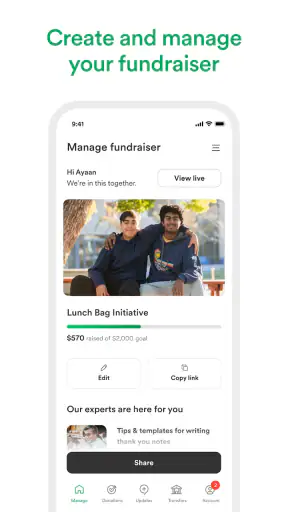
In my experience, the strongest value comes from bringing the main fundraising journey into one recognizable place. Instead of asking a potential organizer to build a website, arrange a separate payment method, and explain the campaign through scattered messages, the service gives the appeal a central identity. That makes it easier to share the same destination with family, friends, coworkers, or a local community.
The benefit is especially visible when circumstances are moving quickly. Imagine a friend facing a sudden medical bill or a family needing help after losing essential belongings. The organizer can focus on explaining the situation and keeping supporters informed instead of starting with web design or technical payment setup. The app does not solve the financial problem by itself, but it can make the request easier to present and easier for others to find.
For donors, the useful part is the ability to discover campaigns and decide when to help. I like that the experience encourages a more deliberate action than forwarding an unverified payment request in a private message. A campaign page can give the appeal a clearer context, although I still believe personal verification is necessary before sending money.
Another valuable use is coordinated community support. A group can share one campaign rather than collecting separate transfers from many people and trying to maintain a manual record. That can reduce confusion about who has contributed and which payment destination is current. The trade-off is that the organizer now carries a public responsibility to communicate accurately and keep the page aligned with the real situation.
There is also value in the app’s accessibility. Because it is free and rated for Everyone, it is approachable for people who would not normally think of themselves as fundraisers. That does not mean every user will find the process effortless, but the starting point is less intimidating than creating a full independent donation system.
Practical habits that improve a campaign
The first habit I would recommend is writing for someone who knows nothing about the situation. Friends may understand the background, but a wider audience needs a concise explanation of who needs help, what happened, what the money is intended to cover, and why support is needed now. A vague emotional appeal may attract sympathy, but a clear explanation gives people a stronger basis for deciding.
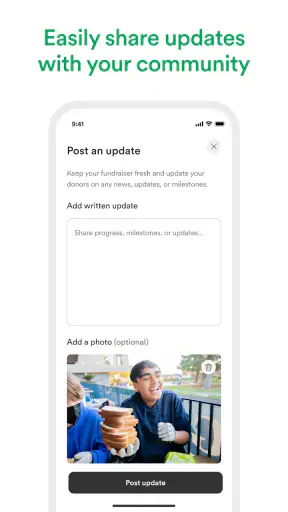
The second is to treat updates as part of the fundraiser, not as an optional extra. A campaign that was accurate at launch can become unclear as circumstances change. Posting a meaningful update helps supporters understand progress and gives new visitors a reason to trust that the organizer remains engaged. I would prepare the next update before sharing the campaign widely, especially if the need is urgent or likely to evolve.
A less obvious point is to separate the emotional story from the practical target. The story explains why people should care; the target explains what the money is meant to accomplish. If those two elements are mixed together, donors may not know whether their contribution is helping with an immediate bill, ongoing living costs, equipment, travel, or another need. I would state the intended use in plain language and revise it if the circumstances genuinely change.
Sharing strategy matters too. Posting once and waiting for strangers to discover a fundraiser is rarely the strongest approach. I would begin with people who already know the organizer, then use personal messages where appropriate, and share updates that give supporters something specific to pass along. This is not a promise of success; it is simply a more realistic way to use a platform whose results depend on human attention.
For donors, my practical advice is to pause before tapping the contribution button. Check whether the organizer’s identity and connection to the cause make sense, look for recent updates, and be cautious if the wording creates pressure without explaining the need. If a campaign is raising money on behalf of someone else, I would want to understand how the organizer is connected to that person. The app can present information, but I remain responsible for judging whether the appeal is credible.
Where the experience can become frustrating
The biggest limitation is that a platform cannot manufacture an audience. A well-written campaign may still receive little attention if the organizer has few people to share it with. That can be disappointing for someone who expects the app to function like an automatic source of funding. I see it more as infrastructure for organizing support than as a guarantee that support will appear.
There is also an emotional burden. Asking for money publicly can feel uncomfortable, and the organizer may need to answer personal questions or provide continuing updates. Some people will prefer a private collection among relatives or a direct conversation with a local organization. In those cases, a public campaign may create more exposure than they want, even if the app is technically easy to access.
Donors face a different kind of friction: choice. A large selection of campaigns can be useful, but it can also make it difficult to decide where a limited amount of money will have the most effect. I would not browse casually and donate impulsively just because a story is presented well. The strongest emotional presentation is not automatically the most urgent or transparent cause.
Another trade-off appears when the campaign goal changes. Real life rarely follows a neat plan, and a fundraiser may need to explain why expenses increased, why the target was adjusted, or why the money is being used differently from the original expectation. That communication takes time. If the organizer does not keep the page current, supporters may become uncertain even when the underlying need is genuine.
The service is also not the ideal replacement for formal nonprofit infrastructure. A registered charity, local aid group, or established community organization may offer clearer governance, specialized assistance, or a better fit for recurring programs. GoFundMe is more compelling when a person or group needs to gather support around a specific, understandable cause than when the goal is long-term financial administration.
Who will get the most from it
I would recommend the app to someone who has a defined need, a genuine network of people willing to listen, and enough time to maintain the campaign. It is particularly suitable when the organizer wants one shareable page for a personal emergency, a community response, or a focused charitable appeal. The free access lowers the barrier to trying the service, while the familiar fundraising format can make participation easier for donors.
It can also suit a person who wants to help but prefers to choose individual causes rather than make a general donation to a large organization. The campaign-based approach lets me decide which story and need I want to support. I still need to do my own checking, but the format gives me more context than a bare payment request.
Families and small community groups may find it useful for keeping a collective effort organized. One person can take responsibility for the campaign while others help share it and provide encouragement. Before starting, I would agree internally on who will communicate with donors and how updates will be handled. That small step can prevent conflicting explanations later.
I would be more hesitant to recommend it to someone seeking a private, low-effort solution. If you do not want to explain the situation publicly, cannot respond to supporters, or have no comfortable way to share the campaign, the app may not deliver enough value. A private transfer, direct conversation, or local support service could be more appropriate.
It is also the wrong choice for people searching for personal money-management tools. The app will not replace a spending tracker or a structured financial plan. Its purpose is to connect fundraising and giving, not to help me understand my monthly cash flow. Choosing it for the wrong problem would make the free price irrelevant because the service would still fail to meet the need.
My final recommendation
After using it as a fundraising and donation platform, I see solid value in the free entry point. The app makes it easier to turn a personal or community need into a central campaign that can be shared with supporters. Its usefulness is strongest when the organizer communicates clearly, updates the page responsibly, and already has some trusted connections to reach.
I would not describe it as effortless money. The organizer still has to earn confidence, and donors still have to make careful decisions. Payment-related details should be reviewed during the contribution or campaign process, and nobody should assume that a polished page removes the need for judgment. Those are not reasons to dismiss the app; they are the conditions for using it sensibly.
Compared with a direct bank transfer, it offers a more organized public story and a single campaign destination. Compared with a traditional finance app, it provides far less personal financial analysis. Compared with a formal charity, it can feel more immediate and personal, but it may not offer the same organizational structure. That positioning makes the choice fairly clear.
My verdict is to try it when you have a specific cause and a realistic plan for communication, and to skip it when you need private transfers, personal budgeting, or guaranteed results. GoFundMe Inc has created a useful free tool for bringing fundraisers and donors together, but its true value comes from the people behind each campaign. If you are willing to read carefully, share responsibly, and keep expectations realistic, it can be a practical way to ask for help or offer it.


